

Buying new tools, trucks, or machines can help your business grow. But you don’t want high payments that hurt your profits. That’s why understanding Equipment Finance Rates matters as much as picking the right equipment. Whether you run a construction crew, a repair shop, or a growing tech company. The rate attached to your loan decides how much you actually pay back over time. At Small Biz Heroes, business owners get to know what shapes these rates before they sign anything. This blog breaks down what drives equipment financing rates, how different loan types compare. And what you can do to land a fair deal for your equipment finance business.
What Actually Decides Your Equipment Finance Rates
Many business owners assume rates are picked randomly by the lenders. But lenders actually look at several clear factors before setting a number. The final offer depends on various factors. Such as, your credit history, the time for which you are running your business, and the type of equipment you want. Lenders also check for your monthly revenue. And how constant is your cash flow over the past years. The lender will offer you a lower rate, if all your paperworks looks good. Even the age and resale value of the machine you are buying can shift the number up or down.
- Credit score: A stronger score usually unlocks lower equipment loan interest rates and better repayment terms.
- Equipment type: Heavy equipment financing rates can differ from rates on office tech or smaller tools.
- Loan term length: Longer equipment loan terms sometimes mean smaller monthly bills but higher total cost.
- Down payment: Putting some cash down upfront can help lower your overall equipment financing rates.
- Industry risk: Some industries carry more risk in the eyes of lenders, which can raise equipment loan rates.
Equipment Leasing vs Financing: Which One Changes Your Rate
A lot of first-time borrowers get stuck choosing between leasing and financing. Without understanding how each one affects the numbers. Equipment leasing vs financing is not a matter of paperwork. It actually changes how much you pay and what you own at the end. With financing, you are working toward ownership. So your equipment finance rates are tied to the full value of the machine. With leasing, you’re often paying to use the equipment for a set time. Which can come with lower monthly payments but different long-term costs. Knowing how equipment leasing works alongside financing helps you pick the right option that fits your budget and future plans. And it also helps explain what equipment finance is.
- Ownership: Financing builds toward full ownership, while leasing usually returns the equipment at the end of the term.
- Monthly cost: Leasing payments can be lower, but financing often costs less over the full life of the equipment.
- Tax treatment: Leasing and financing are treated differently at tax time, so this can affect your real savings.
- End value: Financed equipment stays yours once paid off, adding value to your books later on.

Fixed and Variable Rates: How Your Payments Can Change
Not every equipment loan works the same way once the paperwork is signed. Some lenders offer fixed equipment loan rates that stay the same every month. This makes budgeting simple and predictable. Others offer variable rates that move with the market, meaning your payment could go up or down over time. Depending on how equipment financing works with that specific lender. Business owners who like knowing exactly what they owe each month usually prefer fixed rates. The business owners who want to take more risk, often go for variable options.
- Fixed rate loans: Your equipment financing rates stay locked in, so your payment never changes during the term.
- Variable rate loans: Payments can shift with market trends, which may raise or lower your monthly bill.
- Budgeting ease: Fixed rates make it simpler to plan out your business expenses months in advance.
- Market risk: Variable equipment loan interest rates can work in your favor when rates drop over time.
- Best fit: Newer businesses often prefer fixed rates for the peace of mind they offer.
How Your Industry Shapes Equipment Financing Rates
The equipment finance industry does not treat every business the same way, and that is something a lot of owners do not realize until they apply. Construction equipment financing rates often differ from technology equipment financing. Because the resale value and lifespan of both are not the same. Heavy machinery loans usually involve larger amounts, which can affect the rate a lender is willing to offer. Trucking and transport companies going through a truck equipment financing loan process may see different terms. While a restaurant financing process may be different. Understanding where your industry stands helps you set realistic expectations. You must know this before starting shopping around for types of equipment financing that fit your field.
- Construction businesses: Construction equipment financing rates depend heavily on the age and resale value of heavy machines.
- Technology companies: Technology equipment financing often comes with shorter terms since tech loses value fast.
- Trucking companies: A truck equipment financing loan process usually looks at mileage, age, and vehicle condition closely.
- Restaurants: Kitchen and food service tools often qualify for machines financing with manageable monthly terms.
- Manufacturers: Heavy equipment financing rates for production machines depend on how the equipment supports output.
Simple Ways to Improve Your Equipment Financing Approval
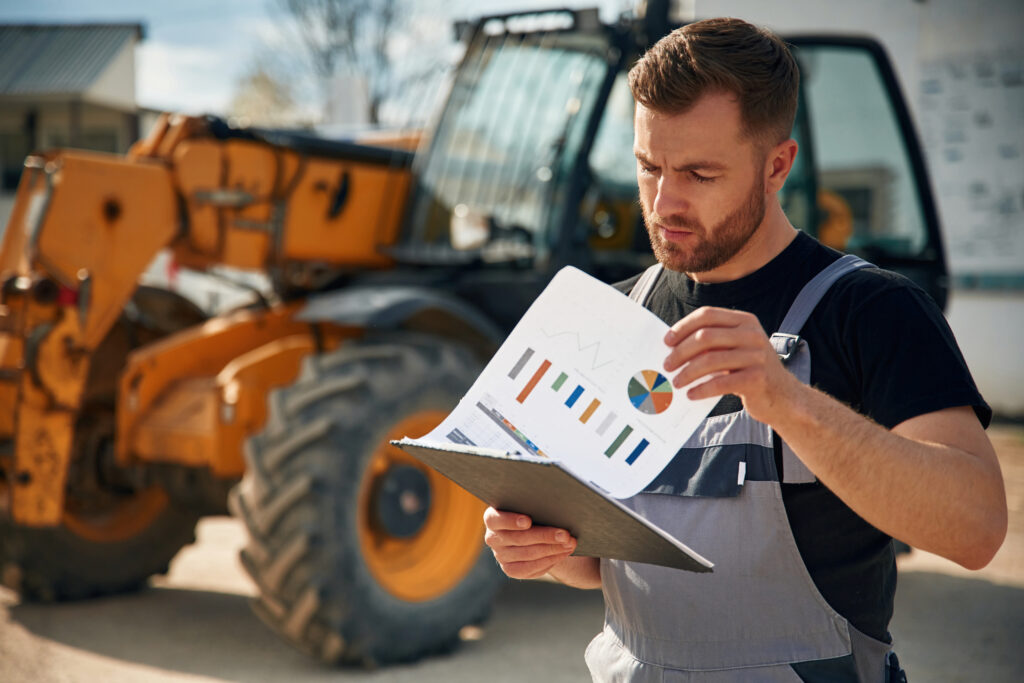
Landing a fair rate is not about luck; a little preparation goes a long way. Following smart equipment financing approval tips before you apply can help you avoid delays and land better numbers. Lenders want to see that your business can comfortably handle the new monthly payment. Without affecting your daily cash flow. Which is one of the real benefits of equipment financing done the right way. Having your bank statements and tax returns before applying speeds up the process. At Small Biz Heroes, we walk small business owners through exactly what lenders want to see.
- Clean bank statements: Show steady deposits and few overdrafts to prove your business handles cash well.
- Clear equipment quote: Have your invoice or bill of sale ready before you start the application.
- Strong credit profile: Fixing small credit issues early can help you land lower equipment loan interest rates.
- Realistic loan amount: Only borrow what your business actually needs for the equipment purchase.
- Backup documents: Tax returns and financial statements speed up approval for larger equipment finance business requests.
Equipment Line of Credit vs a Traditional Equipment Loan
Some businesses do not need one big loan. They need ongoing access to funds whenever new equipment needs come up. An equipment line of credit works differently from a standard loan. Because you can draw funds as needed instead of receiving one lump sum. This setup can be useful for businesses that regularly replace smaller tools. Or businesses that need quick access to machines. A traditional loan, but, usually fits better for one large buy like a truck or a major machine. Comparing equipment loans rates on both options helps you decide which one actually saves you money. And pairing it with a Business Line of Credit can add even more flexibility.
- Ongoing access: An equipment line of credit lets you borrow again after paying down your balance.
- One-time purchase: Traditional loans work best for a single large piece of heavy machinery.
- Interest costs: You typically only pay interest on the amount you actually draw from a credit line.
- Approval speed: Lines of credit can often be used faster once your first approval is complete.
- Flexibility: A mix of both tools can help cover different types of machinery loans over time.
Secured vs Unsecured Machinery Loans and How Rates Compare
Whether your loan is backed by collateral or not can make a real difference in the rate you are offered. Most equipment loans use the machine itself as collateral. Which usually helps lower the equipment finance rates today compared to unsecured options. An unsecured machinery loan skips that need. But lenders often balance that risk with a higher rate or shorter repayment window. Business owners without much collateral to offer sometimes still qualify for loans for machinery through unsecured programs, with different terms attached. If your business needs a bit more breathing room while you build collateral, our Cashflow Financing option can help cover the gap.
- Secured loans: Using the equipment as collateral often results in lower equipment finance rates overall.
- Unsecured machinery loan: No collateral is required, but the rate is usually a bit higher.
- Approval speed: Secured loans sometimes move faster since the lender has less risk to worry about.
- Loan size: Larger amounts are easier to secure when backed by valuable equipment.
- Best fit: Newer businesses without assets may still find options through unsecured programs.
Reading Your Equipment Loan Terms Before You Sign Anything
Before you commit to any lender, it is always good to first read all the paperworks line by line. Equipment loan terms cover more than just the monthly payment. The loan agreement may include the length of the loan, any early payoff fees, and what happens if a payment is late. Some agreements may contain extra costs like delivery, setup, or maintenance. Which can change your real total cost. Comparing offers side by side instead of looking at the lowest business equipment loan rates helps you avoid hidden surprises later. At Small Biz Heroes, our team helps you break down the agreement. So you know exactly what you are agreeing to before you commit to any Equipment Financing plan.
- Loan length: Longer equipment loan terms usually mean smaller payments but more interest paid overall.
- Early payoff fees: Some lenders charge extra if you pay off your loan faster than planned.
- Late payment rules: Know the grace period and penalty before you sign your agreement.
- Bundled costs: Delivery, setup, and installation fees can sometimes be rolled into your loan amount.
- Total repayment: Always compare the full repayment cost, not just the monthly number.
Why Businesses Trust Small Biz Heroes for Equipment Financing
Shopping for the right lender can feel confusing. When every offer looks a little different on paper. We work with small business owners across many industries to help them understand their options before they commit to anything. Our team explains how equipment finance rates are built. So you are never left guessing about hidden costs. We also help connect equipment financing with other funding options like Term Loans.When your business needs more than one type of support. Whether you are a startup exploring Start-Up Funding or an established shop looking into SBA Loans, we help you see the full picture. Building strong credit along the way also matters, which is why many clients pair their financing with our HeroCredit program.
- Clear guidance: We explain every part of your offer so nothing feels confusing or rushed.
- Multiple options: From term loans to equipment loans, we help match the right fit for every equipment finance business.
- Fast turnaround: Many approvals move quickly once your documents are ready.
- Ongoing support: We stay available for questions even after your funding is complete.
- Wide industry reach: We support fields from construction to healthcare to retail.

Frequently Asked Questions
- What are Equipment Finance Rates?
Equipment Finance Rates are the interest costs lenders charge for borrowing money to buy business equipment. - What is equipment financing?
Equipment financing is a loan that helps businesses buy tools, machines, or vehicles and pay for them over time. - How does equipment financing work?
You apply for a loan, get approved, the lender pays the vendor, and you repay the loan in monthly installments. - What is equipment leasing vs financing?
Leasing lets you use equipment for a set term, while financing builds toward full ownership of the equipment. - What affects business equipment loan rates?
Credit score, time in business, and equipment type usually decide your business equipment loan rates. - Can I get an unsecured machinery loan?
Yes, some lenders offer an unsecured machinery loan, though rates may be higher without collateral. - What is an equipment line of credit?
An equipment line of credit lets you draw funds repeatedly for ongoing machinery loan needs. - Are equipment finance rates today higher for used machines?
Used equipment can carry slightly different loan pricing based on age and condition. - How fast can I get approved for heavy equipment financing?
Many heavy equipment financing approvals happen within a few days once documents are submitted. - Does Small Biz Heroes help with equipment financing?
Yes, Small Biz Heroes helps small businesses compare equipment finance rates and find the right loan terms.
Conclusion
Finding the right Equipment Finance Rates does not have to feel confusing once you know what lenders are actually looking for. Every equipment finance business is different. And the best rate usually comes down to preparation, clean paperwork, and knowing your options. Whether you need heavy equipment financing for a big machine or a smaller equipment line of credit for ongoing needs, taking time to compare offers protects your bottom line. At Small Biz Heroes, we help business owners how to come out through the confusion and find equipment financing rates that fit their budget. Our team is ready to walk you through every step, from your first quote to your final approval. If you are ready to explore your options, reach out to our team today and get started with confidence!