
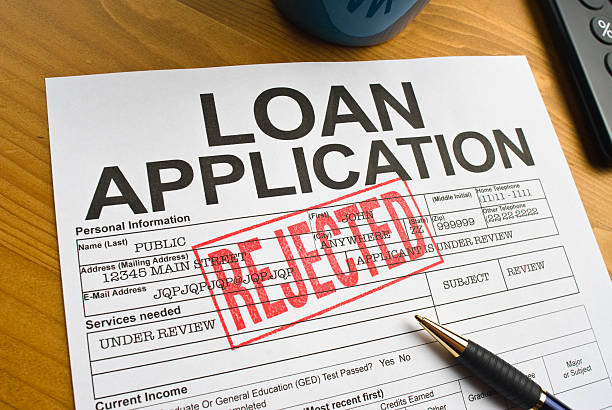
Getting a business loan rejection hurts. You worked hard on the papers, sat down with the banker, and still heard “no.” Here is something most owners never get told. A business loan rejection is usually about the bank’s rules, not about you or your business. At Small Biz Heroes, the team has helped owners get over $100 million in funding, and many of our best clients come to us after a bank turned them away. In a recent video, Zach Siegel talks about how this business really works and why good companies get a no. This post turns his talk into simple steps you can use. You will learn why banks say no, what to skip right after you hear it, and how alternative business financing can help in the meantime. You will also learn how to fix your numbers so the same banker may say yes next time. No, today is not the end. It can be the start of a better plan. 
Why Good Businesses Get Turned Down: Every Lender Has a Box
Every bank and lender has a box. It is a list of rules about how much money you make, how much you keep, how long you have been open, and how much you already owe. The person at the desk did not make these rules, and most of the time they cannot bend them, even if they like your business. That is why a strong company can still get a business loan rejection. The no is about fit, not about how good you are. Once you get this, you can stop feeling bad about it and start asking which lender’s box you really fit. A good first step is to look at all the business funding programs out there.
- Rules Don’t Bend: A loan officer has to follow what the bank allows, so even if they like you and believe in your business, it usually won’t change the answer you get.
- Fit Matters More Than Quality: Your business can be making good money and still get turned down, simply because the timing was off, a paper was missing, or you already owe money somewhere else.
- Another Lender May Say Yes: When one bank says no, it only means you didn’t fit that bank’s rules, and a different lender with its own rules might be happy to work with you.
- Take the No as a Hint: Each time you get turned down, the reason points to the one thing you can fix before you try again.
- Ask Them Why: Before you leave, ask the banker to tell you the real reasons behind the decision, because once you know them you can plan your next move.
Why Is It Harder to Get an SBA Loan Now?
Many people like SBA-backed loans because they give you more time to pay back and the cost is fair. But the video says the new SBA rules made the box even smaller than before. Lenders now have less room to make an exception, so a file that sits right on the edge is more likely to end in a business loan rejection. If an SBA loan was turned down for you, that does not always mean it is over. Some lenders that are not banks use a different box, and a neater file can change their answer. Getting your papers ready matters more now than it ever did.

- Fewer Exceptions Now: With the stricter rules, a lender has very little room to say yes to a file that only just misses the line.
- Neat Papers Help a Lot: Clear profit records, tax returns, and bank statements that match each other make a lender feel much safer about your business.
- Lenders That Aren’t Banks: Some SBA lenders that are not banks follow a different set of rules, so they may approve a loan that a bank said no to.
- Fix First, Then Apply Again: If you sort out the reason you were turned down before you reapply, you have a much better chance than sending in the same file again.
- Know Where Your Money Goes: Lenders look closely at how cash moves in and out of your business and whether you can comfortably cover your loan payments.
Why Most Businesses Don’t Fit Any Box, Even Private Equity’s
Banks are not the only ones who have rules. Investors who buy into businesses, called private equity partners, mostly look at EBITDA, which is just the money a business earns before it pays things like interest and taxes. If your earnings are small, they may pass on you even when your sales are going up. About 80% of businesses do not fit the usual box, so getting a business loan rejection is very common and happens to most owners. That should make you feel a little better. It is also the reason alternative business financing exists, because it is made for where your business is right now, not where a rulebook says it should be.
- Profit Matters Most to Investors: People who buy into businesses care more about how much you keep after paying your costs than how much you sell.
- Most Owners Miss the Box: Not fitting what a lender wants happens to a lot of small business owners, so you are not the only one this has happened to.
- Selling More Is Not Always Enough: Even when your sales keep growing, a lender can still say no if your costs are eating up most of the money you bring in.
- Keeping More Opens Doors: When you earn more profit, it becomes easier to get a yes from a bank, an SBA lender, or an investor.
- Pick Funding That Fits Today: The best alternative business financing is the one made for where your business is right now, not one that forces you into something that does not suit you.

What Happens After the No: Don’t Get Fed to the Sharks
The first few days after a no are the most dangerous. When you feel stressed and need money fast, it is easy to get pushed around online loan sites and to hear from pushy lenders who offer quick cash at a very high price. Zach calls these lenders sharks in his video, Declined by the Bank? Here’s Your Next Step To Get Funding. Quick emergency money may fix a small problem today, but it can turn into a much bigger one when the payments start piling up. Getting money fast does not have to be a bad idea, and alternative business financing things like cashflow financing can work well when the payments are matched to what your business earns. Take your time, compare the terms, and keep your daily cash safe.
- Don’t Apply Everywhere at Once: If you send your details to lots of loan sites, you may end up with a pile of offers that are hard to understand and hard to compare.
- Look at the Full Amount You’ll Pay Back: A loan can sound fine until you add up everything you will repay and notice how often the payments are taken from your account.
- Don’t Take One Advance on Top of Another: Stacking a new advance on an old one can take your daily cash away faster than the first problem ever did.
- Wait a Day Before You Sign: Taking just one day to read the terms slowly can save you from regretting it for months.
- Talk to Someone Who Knows This Work: A person with real experience like the team at Small Biz Heroes, can help you tell a fair loan apart from one that is only out to take your money.
The Truth Nobody Says Out Loud: How Incentives Align
Bankers get paid when people keep money in their bank, investors get paid when a business keeps more of what it earns, and accountants do well when their clients grow. So when a business gets a no, these people often have nothing else to offer. This is where Small Biz Heroes comes in to help. Their work is to make your business easier to fund, help you keep more profit, and grow the money you hold in the bank, and then send you back to your banker with a much better file. The owner wins, and the professional wins too. Tools like HeroCredit help with this by showing you exactly what lenders see when they look at your business. 
- Why Bankers Care About Deposits: When your business is doing well, you keep more money in the bank, and that makes the relationship better for both of you for years to come.
- Why Investors Care About Profit: An investor feels much better about a company that keeps more of what it earns, so it becomes easier to get their attention.
- Why Accountants Care About Growth: When their clients grow, accountants get more work to do and see better results for the people they help.
- Learn Before You Apply Again: First learn what lenders look for, so you walk in knowing exactly what they want to see.
- Go Back to Your Banker Ready: After helping you, you return to the same banker or accountant who sent you to us, and this time your file is much stronger.
What Happens to a Declined File at Small Biz Heroes?
A file that got turned down is not the end of the road. At Small Biz Heroes, the numbers get a close look, and then funding is found that matches where your business is today. Sometimes that means a lender that is not a bank and has a different box, sometimes it means changing how you pay back what you already owe, and sometimes it means making your business more profitable first. In the video, a real client went from paying $125,000 a month to paying $17,500 after a pile of cash advances was put into one loan. Every business is different, but this shows what alternative business financing can do for an owner. You can look at the full list of programs to see all the choices.
- Lenders That Aren’t Banks: Some SBA lenders that are not banks follow different rules, so they may be happy to approve a file that a bank already turned down.
- Turn Many Payments Into One: If you have several cash advances taking money from your account every day, putting them together into one loan can make the payments much easier to handle.
- Money for Everyday Costs: Cashflow financing gives you money for daily business needs, and the payments are matched to how much your business brings in.
- Make the Business Stronger First: If your business is not ready for a loan yet, the best move is to fix your costs and the way you run things so you earn more profit.
- See What You Can Get Without a Worry: You can find out which loans you may qualify for with a soft check, so your credit score does not go down.

The 12 to 24 Month Roadmap Back to the Bank
The goal is not only to get a loan today but to find a way back to a lower price on your money later. The video talks about a plan that takes 12 to 24 months and leads you back to the same banker’s office, where you fit the box and get a bank’s lower rates. Each month, your records get tidier, you keep more profit, and you hold more money in your bank account. Remember that a business loan rejection is a clue about what to fix, and it does not say anything bad about you. A good thing to ask your banker is what exactly you would need to change to turn a no into a yes. With a clear plan in hand, Small Biz Heroes can help you reach that goal.
- Cleanup First: Organize financials, review debt, and identify the gaps behind the decline.
- Build Business Credit: HeroCredit shows your Fundability Score and builds a profile without relying on personal credit.
- Improve Margins: Trim costs and raise profitability to strengthen your position.
- Track Progress: Review your numbers regularly against the lender’s requirements.
- Return Prepared: Re-approach the banker with a file that fits the box.
Frequently Asked Questions
- Why do good businesses get turned down for a loan?
Every lender has a list of rules about how much you earn, how much you keep, how long you have been open, and what you owe. Even a strong business can miss one rule, so the no is about fit and does not mean your business is bad.
- Does a no mean I can never get a loan?
Not at all, because a no just shows you what to fix, and another lender with other rules may say yes. Lots of owners get approved later once their papers are in better shape.
- What is alternative business financing?
It is money from lenders that are not regular banks, picked to match where your business is right now. Some examples are cashflow financing, equipment financing, and loans from SBA lenders that are not banks. - What should I do right after a no?
Ask the lender to tell you the real reasons, and then take your time before you say yes to any quick offer. Check the full cost and how often you have to pay, so a fast fix does not turn into a bigger problem.
- Can I still get an SBA loan after a no?
Yes, many people do. Some SBA lenders that are not banks use different rules, and tidier records can help change the answer.
- How do I lower cash advance payments that are too high?
You can put several advances together into one loan, which can cut your daily or weekly payments by a lot.
- How long before a bank may say yes after a no?
It often takes about 12 to 24 months to tidy your records, earn more profit, and build up the money in your bank account. - Will looking at my options hurt my credit score?
No, a soft check lets you see what you may get without lowering your score.
Conclusion
Hearing no from a bank hurts, but it does not mean your business is finished or that you can’t get money. All it tells you is that you did not match one lender’s rules on that day, and the reason they give shows you what to work on next. After a no, give yourself time, say no to fast money that costs a lot, and look at alternative business financing that fits where your business is today. Keep your papers neat, hold on to more of your profit, and let your bank balance grow, and the same banker may give you a yes in a year or two. If you have a clear plan and someone good to help, Small Biz Heroes can walk with you from a no to a better yes. Got a no from the bank? Contact Small Biz Heroes today and map out your next step.