

Every growing company reaches a point where old tools just cannot keep up anymore. It may happen that your delivery van is not working properly or your kitchen equipment is not in working condition now. This is exactly where small business equipment leasing steps in. As a smart way to get new gear without wiping out your savings. Instead of comparing prices and guessing which route to take, this guide breaks down real choices, real numbers, and real terms. So you know exactly what fits your business. We will walk through leasing, financing, rates, and approval steps, and show you where Small Biz Heroes fits into the picture. Through our equipment financing programs. By the end, you will feel confident about your business needs. Loans For Machinery can also be considered when your business needs to replace or upgrade important equipment.
What Is Equipment Finance and Why Small Businesses Use It
The first thing is what is equipment finance? And how does it relate to small business equipment leasing? If we define it in simple words, it is a simple way to pay for machines, trucks, or tech over time. Instead of buying them with cash all at once. The lender covers the cost upfront, and your business repays it in smaller monthly chunks. The equipment finance industry knows that most small shops or businesses cannot pay such amounts at once. Either they have to disturb their daily operations to pay this amount. That is the reason equipment finance exists. An equipment finance business is like a bank or a lender. That checks your revenue and time in business before approving your request. Once approved, you get to use the equipment right away while spreading the cost out. Which keeps your bank account healthy for payroll and other bills. This simple setup is why so many small shops rely on it every year. For businesses that need larger machines, Loans For Machinery can provide another way to spread the purchase cost over time.
- Cash Flow Protection: You keep your savings free for rent, payroll, and stock instead of one huge payment.
- Faster Access to Tools: You start using the equipment right after approval instead of waiting to save up.
- Predictable Budgeting: Fixed monthly payments make it simple to plan your books ahead of time.
- Tax Advantages: Many equipment finance deals allow deductions that can lower what you owe at tax time.
How Does Equipment Leasing Work Compared to Financing
People often ask how equipment leasing works versus buying through a loan. And the answer is the ownership of the equipment. When you take equipment on a lease, you can use it for a set period, and can return it or even buy it at the end. Just like renting a house. With financing, you are paying a regular amount to the financier to owe the equipment in the end once the whole amount is paid off. Understanding equipment leasing vs financing helps you decide which small business equipment leasing route actually saves money. If your tools become outdated fast, like computers or medical scanners, leasing might make more sense. Many owners exploring term loans compare structures before deciding which path suits their cash flow best.
- Ownership Path: Financing builds equity in the equipment, while leasing usually does not.
- Lower Monthly Cost: Leasing payments are often smaller since you are not paying toward full ownership.
- End of Term Choice: Leases may let you upgrade, renew, or walk away when the term ends.
- Best for Fast Changing Tools: Leasing suits equipment that becomes outdated quickly. Like technology equipment financing needs.

Types of Equipment Financing Small Businesses Can Choose From
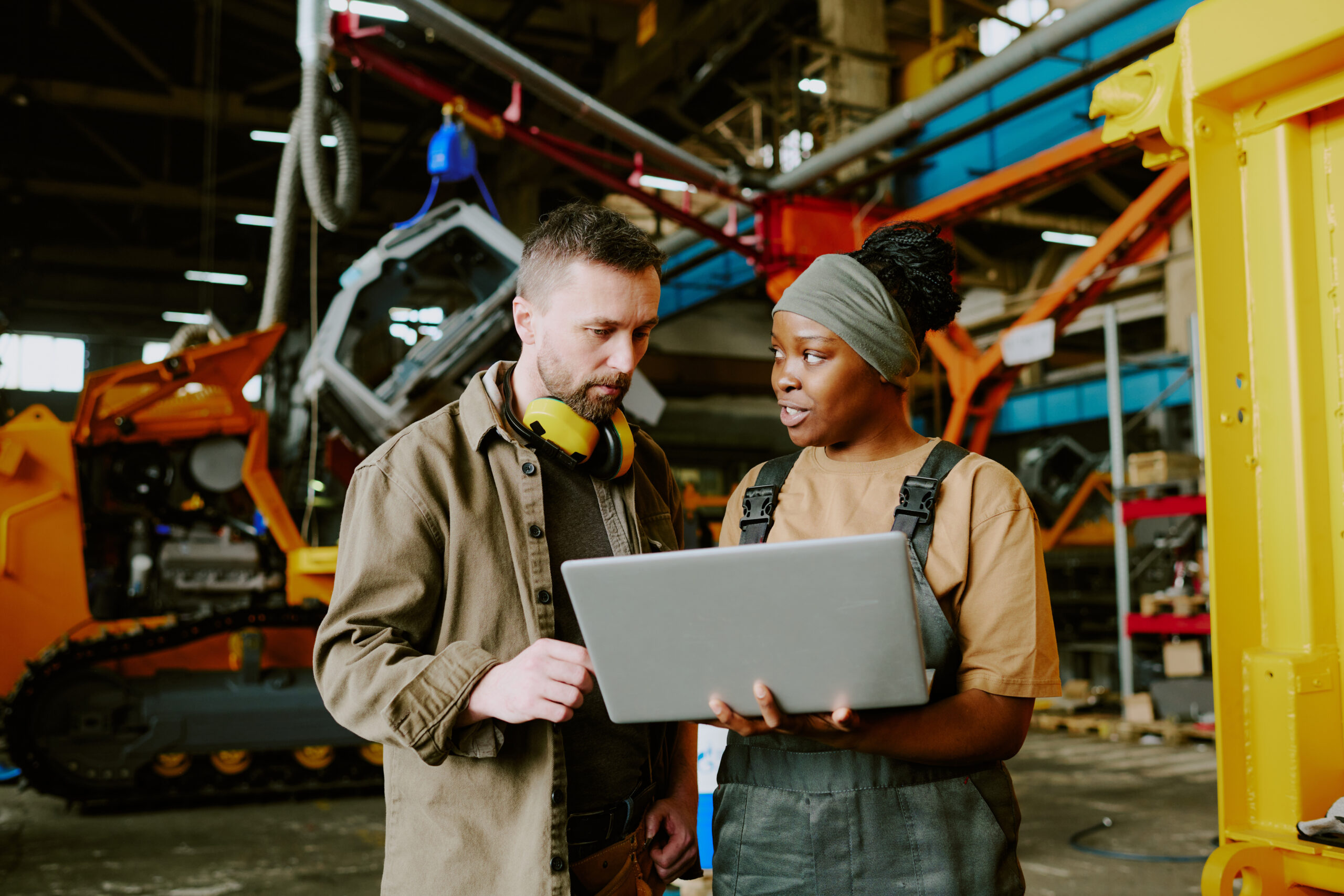
There are several types of equipment financing. But picking the right one depends on what you are buying and how your business runs. Standard equipment loans work well for one big sale, like a delivery truck or an oven. Leasing works better for tools you may want to swap out often, such as computers or office printers. Some businesses combine methods, using loans for machinery that lasts many years and shorter leases for fast changing tech. At Small Biz Heroes, small business equipment leasing plans can also be tailored around your industry. Whether you run a clinic, a construction crew, or a bakery. Knowing your options ahead of time helps you avoid overpaying or locking into terms. The terms that do not match how long you plan to keep the gear.
- Equipment Loans: Best for machines you plan to use and own for many years.
- True Leasing: Best for tools that need frequent upgrades, like computers or software heavy devices.
- Sale Leaseback: Lets you sell owned equipment to a lender and lease it back for quick cash.
- Vendor Financing: Some equipment sellers offer their own plans directly at the point of sale.
Understanding Equipment Loan Terms, Rates and Interest
Before signing anything, it helps to understand equipment loan terms so you know exactly what you are agreeing to. Terms usually range from one year to ten years, and small business equipment leasing plans usually come with their own separate rate structure compared to standard loans. Equipment loan rates and equipment financing rates depend on your credit profile, time in business. It also depends on the type of equipment you are buying. Business equipment loan rates can shift based on the lender and current market conditions. So it always helps to compare a few offers. Equipment loan interest rates are generally lower when the equipment itself is used as collateral, since that lowers the risk for Small Biz Heroes. Some owners also pair equipment costs with a business line of credit for short-term gaps, or combine approved offers through credit stacking to fund larger purchases, and checking equipment finance rates today always gives a clearer picture before applying. Comparing Loans For Machinery with other equipment funding options can help you understand the total cost before applying.
- Shorter Terms: Usually come with lower total interest but higher monthly payments.
- Longer Terms: Spread cost further out but may raise the total interest paid over time.
- Collateral Impact: Using the equipment as security often results in better equipment finance rates.
- Credit Profile: Stronger business credit tends to unlock lower equipment loan interest rates.
Equipment Financing Rates by Industry and Equipment Type
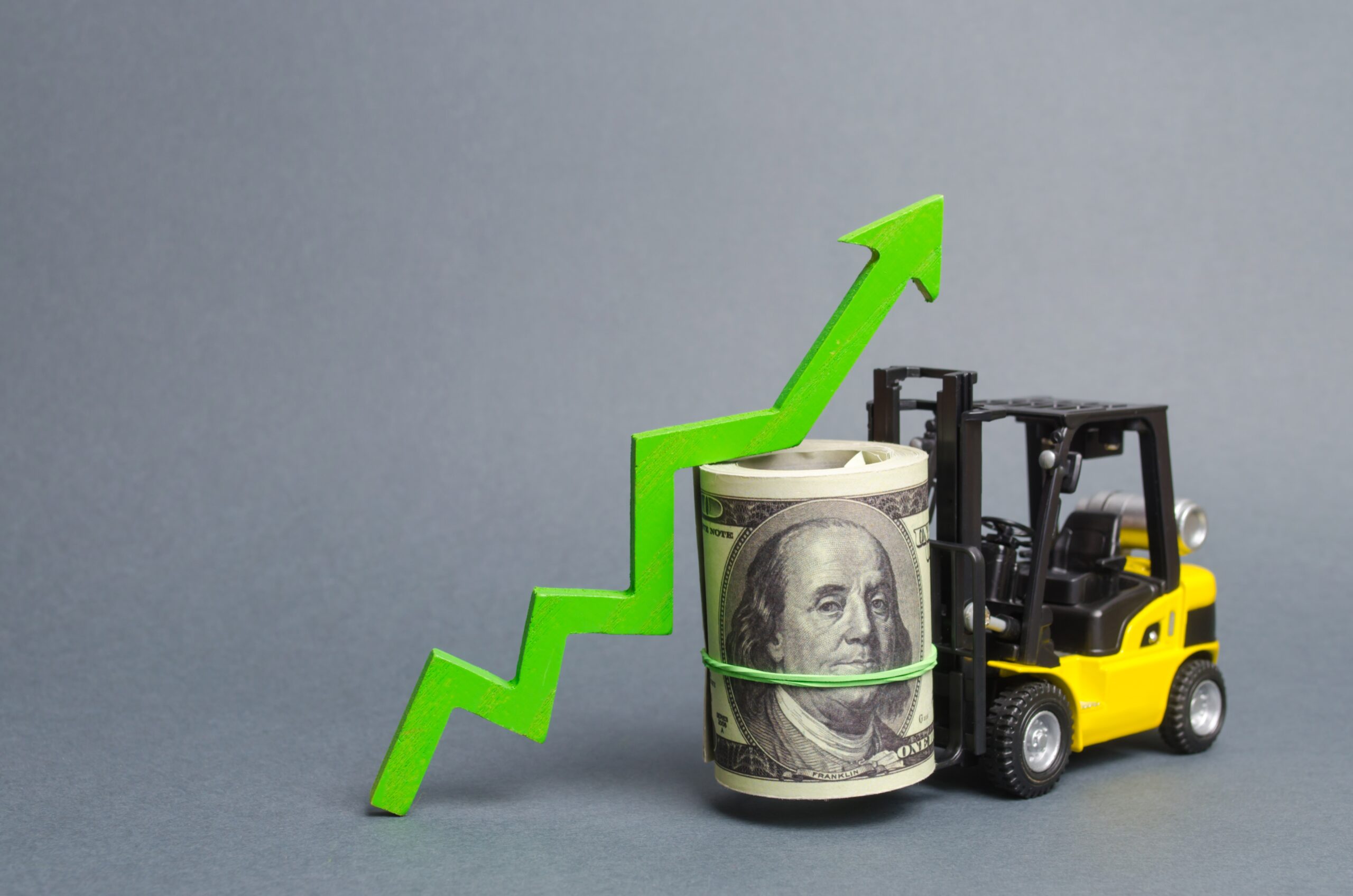
Not every purchase carries the same price tag. So equipment loan rates can look very different depending on what you are financing. Heavy equipment financing rates tend to run a bit higher than office equipment. Because the loan amounts are larger and repayment periods stretch out longer. Machines financing for manufacturing or production lines often gets priced based on how well the equipment holds its resale value over time. Businesses that also need short-term cash on hand alongside equipment purchases sometimes turn to cashflow financing to cover gaps between big buys. At Small Biz Heroes, rates and terms are shaped around your industry, your credit profile, and the specific gear you are financing rather than a one size fits all number. Businesses buying production equipment may also compare Loans For Machinery based on the machine type, cost, and expected useful life.
- Industry Pricing: Construction and transportation gear often carries different terms than office tech.
- Resale Value Matters: Equipment that holds value longer can help you access lower rates.
- New vs Used: Brand new equipment sometimes qualifies for better terms than used machines.
- Bundle Options: Pairing equipment financing with other funding can smooth out cash flow gaps.
Truck and Heavy Machinery Financing Loan Process Explained
The truck equipment financing loan process usually starts with picking your vehicle. Or machine and getting a quote from the seller. Many companies exploring this route are really deciding between small business equipment leasing and a straight loan. From there, you submit an application along with a few months of bank statements so the lender can review your business. Heavy equipment financing works in a similar way, though loan amounts tend to be larger. Since machines like excavators or cranes cost more upfront. Heavy machinery loans often stretch over longer terms. Because this type of equipment tends to hold value and stay useful for many years. Construction equipment financing rates depend on whether the machine is new or used. So businesses financing bigger purchases sometimes also compare SBA loans for potentially lower rates. Once approved, the lender usually pays the seller directly. When a large machine is needed, Loans For Machinery can be part of the financing options a Small Biz Heroes customer business reviews before making the purchase.
- Get A Quote First: Have the seller price out the truck or machine before applying.
- Submit Documents: Bank statements and a short application speed up the loan process.
- Approval Review: Lenders look at revenue, credit, and the equipment itself before approving.
- Direct Payment: Funds usually go straight to the seller once your loan is approved.
Equipment Line of Credit and Unsecured Machinery Loan Options
Not every business wants to commit to one big loan for one specific machine. And that is where an equipment line of credit comes in handy. This option works like a reusable pool of funds you can draw from whenever you need to buy or repair machinery, and you only pay interest on what you actually use. This is just one more branch of small business equipment leasing worth considering alongside standard loans. For businesses without collateral to offer, an unsecured machinery loan can still open the door to financing, though it may come with a slightly higher rate. Machine lending through these flexible tools gives shop owners more control over timing, especially when equipment needs pop up unexpectedly. Loans for machinery structured this way work well for businesses that regularly repair or replace smaller tools throughout the year. Owners who also want a personal backup option sometimes explore a HELOC or unsecured personal loans to round out their overall funding plan. Loans For Machinery can be useful for businesses that regularly need to repair, replace, or add machines.
- Reusable Funds: Draw money as needed instead of applying for a new loan each time.
- Pay As You Use: Interest applies only to the amount you actually borrow.
- No Collateral Needed: An unsecured machinery loan skips the requirement of pledging assets.
- Good For Repairs: Handy for smaller, ongoing machine repairs or replacements throughout the year.
Benefits of Equipment Financing and Approval Tips
The benefits of equipment financing go beyond just avoiding a huge upfront bill. It helps you keep working capital free, build your business credit with on time payments, and often comes with tax perks that lower what you owe at year end. Small business equipment leasing and financing both give you room to grow without draining your reserves in one shot. To boost your approval odds, a few equipment financing approval tips go a long way. Keep your bank statements organized, know exactly what equipment you want and why, and avoid applying for more than your business actually needs. Programs like HeroCredit can also help strengthen your credit profile before you even apply. Small Biz Heroes can also help business owners understand their equipment financing options and prepare for the application process. Lenders want to see a business that understands its own numbers, and showing steady revenue makes the whole process smoother from start to finish. A little preparation now can save you real time and money once you are ready to apply.
- Organize Your Documents: Have bank statements and equipment quotes ready before applying.
- Know Your Numbers: Understand your monthly budget so payments fit comfortably.
- Build Business Credit: On time payments strengthen your profile for future funding needs.
Frequently Asked Questions

- What is equipment finance?
Equipment finance lets your business use machinery or vehicles now while paying for them over time. - How does equipment leasing work?
You pay to use the equipment for a set term, then return, renew, or buy it at the end. - What is the difference between equipment leasing vs financing?
Leasing means paying to use equipment, while financing builds toward full ownership over time. - What types of equipment financing are available?
Common types include equipment loans, true leasing, sale leasebacks, and vendor financing. - How does equipment financing work for trucks and machinery?
The lender pays the seller directly, and you repay the amount through fixed monthly payments. - What affects equipment loan rates?
Your credit profile, time in business, and equipment type all affect equipment loan interest rates. - Can I get an unsecured machinery loan?
Yes, some lenders offer an unsecured machinery loan option, though rates may run slightly higher. - What is an equipment line of credit?
It is a reusable pool of funds you can draw from whenever you need to buy or repair equipment. - What are the main benefits of equipment financing?
It protects cash flow, builds business credit, and often comes with useful tax deductions. - What equipment loan terms are typically offered?
Terms usually range from one to ten years depending on the expected life of the equipment.
Conclusion
Choosing the right equipment financing option can help your business grow. You can grow without using all your savings at once. Whether you need a truck, machine, office equipment, or new technology, leasing or financing can make the cost easier to manage. Before choosing an option, compare the interest rates, loan terms, monthly payments, and approval requirements. The right choice will depend on your business needs, budget, and the type of equipment you want to purchase. With the right financing, you can get the equipment your business needs. Keep your cash flow healthy, and continue focusing on growth. Small Biz Heroes can help you explore equipment financing options. Contact us today and we will help you find a solution that fits your business needs.