
A wrong financing option can make your new equipment investment a lot more expensive, instead of helping your business grow. Most guides only tell you what equipment financing is or how to apply. Let’s break down the different ways machine financing actually works: loans, leases, lines of credit, and unsecured options so you know exactly what you are signing up for. Whether you run a construction crew, a trucking fleet, a clinic, or a tech-driven shop, understanding your options before you sign can save you real money. Small business owners often lose money not because they picked financing, but because they picked the wrong type of financing for their gear. A truck does not age the same way a laptop does, and a lease that works for one shop might be a bad fit for another. Small Biz Heroes built this guide to help small business owners compare their choices like a pro not just fill out a form and hope for the best.
What Is Machines Financing and Why It Matters Today
Machine financing is simply a way to pay for tools, vehicles, or machines over time instead of all at once. Instead of draining your bank account, you make small monthly payments while you use the gear to earn money. It matters because prices for good equipment keep climbing every year, and waiting to save up cash can mean losing jobs to competitors with better tools. Skipping this step and paying cash can leave your business short on funds for payroll, rent, or stock. Even businesses with healthy savings often choose financing anyway, simply because it keeps their money working in more than one place at a time.
- Helps you get gear now instead of waiting years to save up
- Frees up cash for daily costs like payroll and supplies
- Works for new, used, and even custom-built equipment
- Fits almost every trade, from farming to food service to tech
- Can be paired with Equipment Financing plans built for small businesses
Equipment Leasing vs Financing: Which One Fits Your Business
A lot of owners get stuck wondering how equipment leasing works compared to a straight loan. With a loan, you own the machine from day one and it becomes yours fully once it’s paid off. With a lease, you pay to use the gear for a set time, then you can return it, renew it, or buy it at a lower price. Neither choice is “better” ; it depends on how long you plan to use the tool and whether you want to own it outright. Some shops even split the difference by leasing fast-changing tools and financing the machines they plan to keep for a decade or more.
- Financing suits gear you’ll use for many years, like trucks or heavy machines.
- Leasing suits fast-changing tools like computers or medical tech.
- Leases often need less money down than a loan.
- Financing builds equity in the equipment as you pay.
- Ask about Term Loans if you want fixed, predictable payments instead.
Loans, Leases, and Lines of Credit – The Main Machine Financing Options
Small business owners usually choose between a secured equipment loan, an unsecured machinery loan, a lease, or a revolving credit line. Each option changes how much collateral you need and how fast you get approved. Knowing the difference helps you avoid overpaying or picking a plan that doesn’t fit your cash flow, and it can also change how quickly your paperwork moves through underwriting.
- Secured equipment loan: the machine itself backs the loan, which usually means lower rates
- Unsecured machinery loan: no collateral needed, but approval depends more on credit and revenue
- Equipment line of credit: draw funds as needed for ongoing gear purchases, similar to a Business Line of Credit
- Lease-to-own: smaller payments now with the option to own the gear later
- Mixing options is common in the wider equipment finance industry, so ask what fits your trade
How Equipment Loan Rates and Terms Actually Work
One of the biggest questions owners ask is about equipment loan rates and how lenders set them. Rates aren’t random; they depend on your credit score, how long you’ve been in business, the type of machine, and how much money you put down. Equipment loan terms usually match how long the gear will last, so a truck might get a longer term than a laptop. Knowing this helps you avoid picking a plan that costs more than it should, and it also helps you spot a bad deal before you sign anything you’ll regret later.
- Better credit usually means lower equipment financing rates
- Newer, high-value machines often get better business equipment loan rates
- Shorter terms mean higher monthly bills but less total interest paid
- Equipment loan interest rates can be fixed or tied to a floating index
- Always ask for equipment finance rates today before signing anything
Heavy Equipment and Construction Machinery Financing Rates
Heavy equipment financing works a little differently than financing a laptop or office chair. Heavy machinery loans usually involve bigger amounts, longer terms, and slightly different underwriting because the resale value of the machine matters a lot. Construction equipment financing rates can shift based on how old the machine is and whether it’s brand new or used. Lenders also look closely at how the equipment will be used on the job site, since heavier daily use can shorten a machine’s working life and change how the loan is priced.
- Heavy equipment financing rates often depend on resale value and expected wear
- Older, used heavy machinery loans may carry slightly higher rates
- Down payments can lower your equipment loans rates over time
- Builders often pair this with Commercial Real Estate Loans for bigger expansion plans
- Ask your lender directly about current equipment finance rates for your machine type
Truck and Technology Equipment Financing: Different Gear, Different Terms
Not every machine is treated the same way by lenders. A truck equipment financing loan process usually involves checking the vehicle’s title, mileage, and resale value, since trucks hold value differently than tech gear. Technology equipment financing, on the other hand, often comes with shorter terms because computers and software become outdated fast. Knowing this helps you plan smarter instead of guessing, and it stops you from locking into a five-year loan for gear that will feel old in two.
- Truck financing often ties loan length to the vehicle’s expected lifespan
- Technology equipment financing usually has shorter terms of 2 to 4 years
- Small business equipment leasing is popular for tech that updates often
- Trucking fleets may also explore SBA Loans for larger fleet expansions
- Mixing loan types across departments is common for growing companies
How Different Trades Use Machines Financing
Nearly every industry leans on some form of machine lending to stay competitive, but the gear looks completely different from trade to trade. A landscaping company might finance mowers and trailers, while a dental office finances imaging equipment worth far more. An equipment finance business built for small companies usually offers plans flexible enough to cover both ends of that spectrum. Seeing how other trades structure their deals can give you a better idea of what to expect for your own.
- Farms often finance tractors, irrigation systems, and harvesting machines
- Auto shops finance lifts, diagnostic tools, and paint booths
- Warehouses finance forklifts, conveyor belts, and packing machines
- Salons and spas finance chairs, tech stations, and treatment equipment
- Explore Consumer Financing if your business also offers financing to your own customers
Tips to Improve Your Equipment Financing Approval Odds
Getting approved isn’t just about having good credit. Lenders want to see that your business can handle the new payment on top of your current bills. A few smart moves before you apply can speed things up and even improve your rate. These equipment financing approval tips work whether you’re a brand-new shop or an established one, and a little prep work often makes the difference between a quick yes and a slow back-and-forth.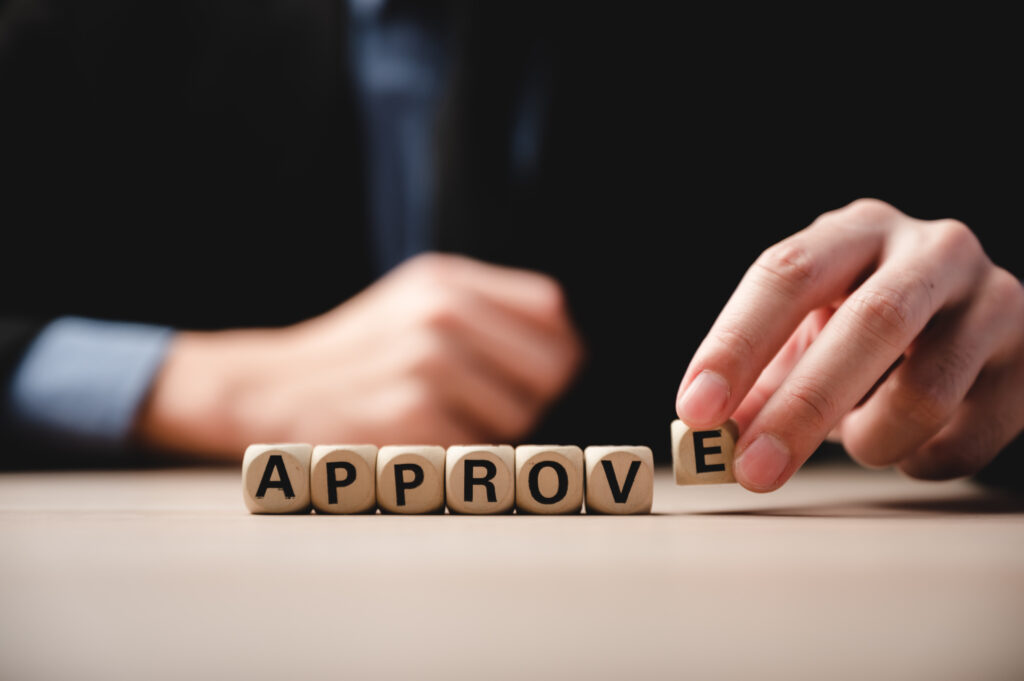
- Keep your business bank statements clean and organized
- Show a clear reason for the purchase and how it will boost income
- Put down a bit of cash if possible to lower your rate
- Compare offers instead of accepting the first one you see
- New businesses can also check Start-Up Funding options built for early-stage growth
Common Mistakes to Avoid With Machines Financing
Even smart owners make costly slip-ups when they rush into machine lending deals. Comparing only the monthly payment without looking at the total cost is one of the most common traps. Skipping the fine print on fees or early payoff penalties can also come back to bite you later. Slowing down and reading the full offer protects your business in the long run, and it only takes a few extra minutes to catch a costly clause before you sign.
- Don’t just compare monthly payments check the total repayment cost
- Watch for hidden fees or prepayment penalties in the contract
- Don’t over-borrow for machines you don’t need yet
- Review your options through our HeroCredit program to build stronger terms over time
- If cash flow is tight, look into Cashflow Financing before adding more monthly debt
Choosing the Right Path for Your Business
There’s no single “best” option in the equipment finance industry; it depends on your business, your budget, and your goals. Some owners like the ownership that comes with a loan. Others prefer the flexibility of a lease or a credit line they can reuse. Talking through your numbers with a real person, instead of guessing alone, usually leads to a smarter decision, and it can uncover options you didn’t even know your business qualified for.
- Compare types of equipment financing side by side before deciding.
- Match your loan term to how long you’ll actually use the gear.
- Ask about A/R Based Financing if your business has strong unpaid invoices.
- Explore 0% APR Credit Stacking as another way to fund smaller purchases.
- Visit our Blog for more guides on smart business funding choices.
Frequently Asked Questions
- What is machine financing?
It’s a way to pay for business equipment over time instead of all at once.
- How does equipment leasing work?
You pay to use the gear for a set time, then return, renew, or buy it.
- What is an unsecured machinery loan?
It’s equipment funding that doesn’t require the machine as collateral.
- Do heavy machinery loans cost more than regular loans?
They can, depending on the machine’s age and resale value.
- What affects my equipment loan interest rates?
Your credit score, down payment, and equipment type all play a role.
- Can I get an equipment line of credit?
Yes, many lenders offer reusable credit lines for ongoing equipment needs.
- Is technology equipment financing different from truck financing?
Yes, tech loans are usually shorter since technology ages faster.
- How fast is the truck equipment financing loan process?
It can move quickly once your documents and vehicle details are ready.
- Do small business equipment leasing plans require a big down payment?
Not usually leases often need less money upfront than a full purchase loan.
- Can I refinance a machine I already own?
Yes, some lenders let you borrow against equipment you already own to free up extra cash.
Conclusion
Choosing the right financing for your business equipment is a major decision that directly affects your cash flow and long-term budget. Instead of settling for the first offer you receive, taking a deliberate approach to review different options can save your business a significant amount of money and give you much greater financial flexibility. To make an informed choice, you should evaluate three core elements across different lenders: interest rates, repayment terms, and financing structures. Interest rates determine your overall borrowing cost, so it is important to check whether a rate is fixed or variable to ensure predictable payments. Repayment terms control the length of your agreement, where longer terms result in lower monthly bills while shorter terms clear the debt faster with less total interest paid. Finally, the structure of the financing itself dictates how the arrangement functions day to day. Apply Today!