

One has to constantly make choices while you are running a business. One month, you might need extra stock because customers are buying fast. The next month, you might need help paying your team while waiting for clients to pay their bills. You do not always need a giant loan for these moments, you just need quick access to extra cash. That is where a business line of credit comes in. Instead of taking out a huge pile of money all at once, you get access to funds whenever you need them. You only take what you use, and you repay it as your own money comes in. This makes it a great, flexible choice for slow months or sudden opportunities without stressing your bank account. At Small Biz Heroes, we help you find simple money options that fit your exact budget, industry, and goals.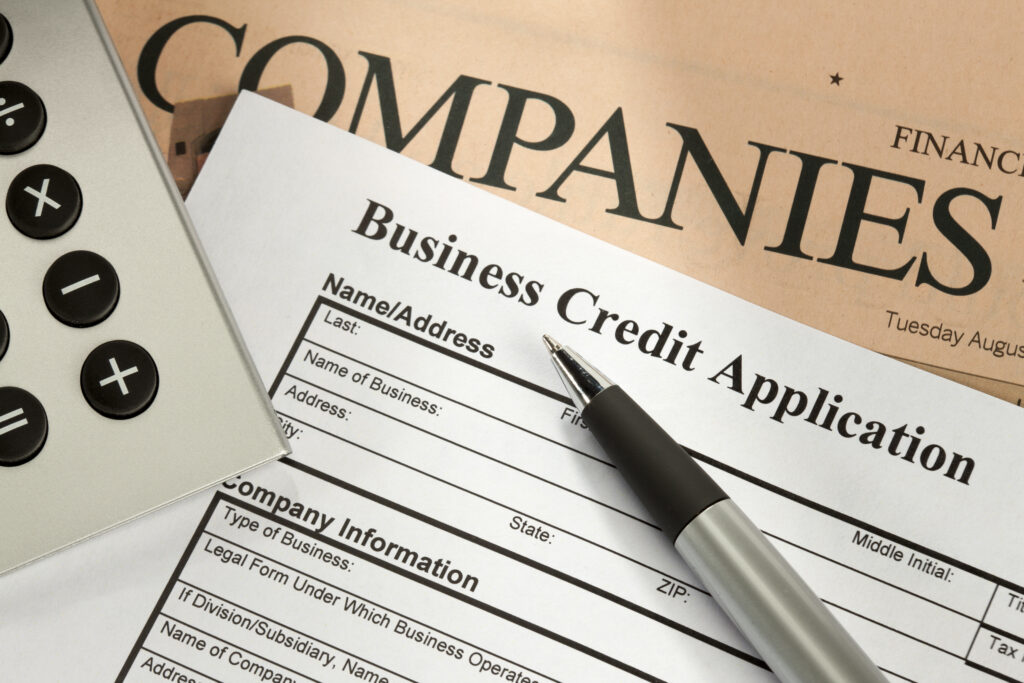
Why More Businesses Are Choosing a Business Line of Credit
Business financing is not just about borrowing money only, it’s about when you have a great deal or idea you have cash ready with you to implement it. A company that can move fast usually beats competitors who are stuck waiting weeks for a bank to approve a regular loan. Unlike a standard loan where you get one fixed amount, a business line of credit stays open and available to you. Every time you pay back what you borrowed, that money becomes available for you to use all over again. Many business owners love this setup because it helps cover day-to-day costs without the headache of applying for a new loan every single time.
Here are the main benefits:
- Access funds only when your business needs them.
- Pay interest only on the amount you use.
- Improve cash flow management throughout the year.
- Handle unexpected expenses without disrupting operations.
- Build stronger business credit through responsible usage.
- Finance growth without taking on unnecessary debt.
When Is the Right Time to Get a Business Line of Credit?
Guess what is the single biggest mistake most business owners make? Waiting until their bank account hits zero to ask for help. Actually, it is way easier to get approved for extra money when your business is healthy than when you are struggling to pay tomorrow’s bills. Getting a line of credit set up in advance gives you a backup plan, so you can make confident choices instead of stressing over cash. Most owners use a line of credit for big moves, busy seasons, or sudden surprises.
Here are a few common ways it helps:
- Purchase inventory before peak seasons: Buying stock early before your busiest time of year so you don’t run out of products when orders flood in.
- Hire additional employees: Bringing on new staff when you have too much work and need extra hands on deck.
- Launch new products or services: Testing out a new service or product by covering the starting costs up front.
- Cover payroll during slower months: Paying your team on time during a quiet month when sales take a quick dip.
- Invest in marketing campaigns: Paying for ads or local promos to bring in fresh customers.
- Manage delayed customer payments: Keeping the lights on and bills paid while waiting for slow clients to finally hand over their checks.
- Prepare for unexpected operating expenses: Dealing with a busted machine or surprise repair without having to pause your whole operation.
Understanding the Requirements for a Business Line of Credit
Every lender has their own set of rules before handing over money, but they almost all look at the same basic details. If your company has been around a while and makes steady money, you will usually get better deals and cheaper rates. If you are just starting out, do not worry there are still backup options made just for new businesses. Lenders mostly just want to know if your business is safe to bet on.
They usually check things like:
- Time in business: How long you have been open, since older businesses feel less risky to a bank.
- Monthly or annual revenue: How much cash you bring in each month to prove you can pay them back.
- Business credit history: Your business credit history to see if you pay your bills on time.
- Personal credit score (when required): Your personal credit score, which some lenders check if your company is still brand new.
- Industry risk: What kind of business you run, because some industries are safer than others.
- Existing financial obligations: How much debt you already owe so you do not take on more than you can handle.
- Ability to repay borrowed funds: Your overall cash flow to make sure you have enough left over to cover your payments.
Business Line of Credit for Startups: Is It Possible?
Many entrepreneurs believe financing is only available to established companies. Fortunately, that’s no longer the case. Several lenders now offer a business line of credit for startup companies with promising growth potential. Although startups often face stricter underwriting requirements, alternative lenders evaluate more than just years in business. Business plans, projected revenue, industry experience, and available collateral may all strengthen an application. If you’re searching for business lines of credit for start up companies, it’s important to understand that approval terms may differ from those offered to mature businesses. Credit limits may begin smaller and increase over time as repayment history develops.
Startup owners should focus on:
- Building business credit early.
- Maintaining organized financial records.
- Separating personal and business finances.
- Demonstrating realistic revenue projections.
- Working with lenders experienced in startup financing.
- Choosing flexible repayment options that support growth.
Can You Qualify with Limited or No Revenue?
Can you actually get a business line of credit if you aren’t making money yet? That’s one of the biggest questions new business owners ask. If you walk into a traditional bank, the short answer is usually no they want to see solid revenue before handing over cash. But alternative lenders are a bit more flexible. They’ll often look past current sales if you have other strengths, like signed client contracts, investor funding, valuable equipment, or a strong personal credit score. You’ve probably also heard of “no doc” lines of credit. Just keep in mind that “no doc” doesn’t mean zero checking. Lenders usually just skip the mountain of paperwork by connecting directly to your bank account to double-check your activity. If your revenue is low right now, your main goal is simply showing lenders that your business is stable and heading in the right direction.
- Traditional banks usually require steady revenue, but alternative lenders look at your overall financial picture.
- Having strong credit, signed client contracts, or assets can help you get approved even with low sales.
- “No doc” loans still check your background, but they use quick digital bank reviews instead of stackable paper forms.
- You can offset low current revenue by showing lenders clear proof of future stability and growth.
Company Credit Line vs. Commercial Credit Lines
People drop terms like “company credit line” and “commercial credit line” like they’re the exact same thing. In reality, lenders view them pretty differently based on the size of your business and what you’re actually using the money for. A company credit line is usually your day-to-day safety net. It’s your safety net for the everyday grind grabbing extra inventory, covering payroll when customers drag their feet on invoices, or testing out a new marketing campaign. Commercial credit lines are a whole different beast. They’re built for larger, established companies that need serious capital. Lenders use these for huge milestones, like building out a new storefront, investing in heavy machinery, or taking on a massive contract that requires tons of upfront cash. At the end of the day, no matter what label a bank slaps on the paperwork, the idea is the same. It’s about having reliable cash ready to go so you can move fast without emptying your checking account.
- Company lines cover routine costs like payroll and inventory, while commercial lines fund major growth moves.
- Lenders usually categorize these based on your annual revenue and the overall size of your operation.
- The approval process for commercial lines is typically stricter because the loan amounts are much higher.
- Whatever the name, both options give you instant access to working capital whenever you need it.
Business Line of Credit for Real Estate Investors
Due to irregular cash flow due to property acquisitions, renovations, and delayed closings, real estate professionals frequently experience irregular cash flow. That’s the reason why many investors consider a business line of credit for real estate an essential financing tool. Unlike traditional mortgages, a revolving credit line allows investors to access funds repeatedly without applying for a new loan every time they identify an investment opportunity. Whether you’re renovating rental properties, purchasing commercial spaces, or managing construction expenses, having available capital can make a significant difference.
Real estate businesses often use credit lines for:
- Property renovations: Finance remodeling and improvement projects to increase a property’s value and market appeal.
- Down payment assistance: Access funds for down payments when purchasing new investment or commercial properties.
- Bridge financing: Cover short-term funding needs while waiting for long-term financing or property sale proceeds.
- Contractor payments: Pay contractors on time to keep renovation or construction projects moving without delays.
- Material purchases: Purchase building materials and supplies upfront to avoid interruptions during a project.
- Unexpected repair costs: Handle emergency repairs or maintenance expenses without affecting your business cash flow.
- Investment opportunities requiring fast funding: Act quickly on profitable real estate deals before the opportunity passes.
Understanding Interest Rates Before You Borrow
One of the first things business owners ask about is interest rates. The short answer? Rates are all over the board. What you’ll pay depends on a few things: your credit score, your annual revenue, your industry, how much you want to borrow, and whether you’re putting up collateral. Some owners look into a business equity line of credit to get lower rates. Since those are backed by your business assets, lenders offer better pricing but the tradeoff is that your assets are on the line if things don’t go as planned. The most important thing to remember is not to fall for just the headline rate. Always look at the full picture including extra fees, repayment terms, and how flexible the line of credit actually is so you know exactly what borrowing will cost you.
Why Small Biz Heroes Is a Trusted Financing Partner
Getting business funding doesn’t have to turn into a confusing, drawn-out nightmare. At Small Biz Heroes, we know that no two businesses operate the exact same way. You have your own daily cash flow rhythms, your own seasonal bumps, and your own specific targets to hit. That’s why we completely avoid one-size-fits-all loans that force you into a box. Instead, we connect you directly with a broad network of vetted lenders to find financing options built around your current numbers and future plans. Whether you need a flexible safety net to smooth out cash flow, extra capital to hire and expand, starting cash for a new venture, or a specialized credit setup, we do the heavy lifting for you. We take the guesswork out of the lending process so you can get the right funding in place and focus on what actually matters running your business.
- We ditch cookie-cutter loan packages to build a funding strategy around your actual numbers.
- Our partner network gives you multiple lender choices instead of relying on a single bank’s strict rules.
- You get tailored options whether you’re trying to scale fast, launch a startup, or keep daily cash flow steady.
- We handle the clutter and confusion so you can secure capital quickly and make decisions with confidence.
Frequently Asked Questions
- What is a business line of credit?
It is a revolving financing solution that allows businesses to borrow funds up to an approved limit. One only pay interest on the amount you use, making it an excellent option for managing cash flow and unexpected expenses. - How do I apply for a business line of credit?
You need business registration documents, financial statements, bank records, identification, and information about your business revenue to apply for a business line of credit. Some lenders may require additional documentation depending on your business profile. - Can startups qualify for a business line of credit?
Yes. Several lenders now offer business lines of credit for start up companies. Approval depends on factors such as your business plan, projected revenue, industry experience, and overall financial profile. - Can I get a business line of credit with no revenue?
While traditional banks often require established revenue, some alternative lenders offer financing solutions for businesses with limited or no revenue by considering future contracts, business assets, or strong personal credit. - What’s the difference between secured and unsecured business lines of credit?
An unsecured line doesn’t require collateral, while a secured line is backed by business assets. Secured options may offer lower rates, while unsecured credit lines generally provide greater flexibility and faster approvals. - How are interest rates determined?
The interest rate on the business line of credit products depends on your credit history, business revenue, industry, repayment ability, and whether the financing is secured or unsecured. - Is a business line of credit good for real estate businesses?
Absolutely. A business line of credit for real estate can help investors manage renovation costs, bridge financing, property improvements, and unexpected expenses while maintaining healthy cash flow. - What documents are required to qualify?
Most lenders review business bank statements, tax returns, financial statements, identification, and proof of business ownership. Requirements vary depending on the lender and financing program.
- Can I use a business line of credit for everyday expenses?
Yes. Many businesses use their credit lines to purchase inventory, manage payroll, pay suppliers, invest in marketing, and handle temporary cash flow gaps.
- How can Small Biz Heroes help?
Small Biz Heroes connects business owners with flexible financing solutions tailored to their unique needs. Our team simplifies the lending process, helping you compare options and secure funding with confidence.
Conclusion
Every business hits a point where extra cash flow makes all the difference. Maybe you need to stock up for a busy season, jump on a sudden growth opportunity, cover an unexpected bill, or just give yourself some breathing room. Having quick access to funds puts you back in control. A business line of credit is great for this because it’s completely flexible. You only borrow what you need, pay it back as you go, and tap into those funds again whenever you need to. Taking the time to compare lenders and pick the right fit helps set your business up for the long haul. At Small Biz Heroes, we’re here to help you find funding that keeps your business growing strong now and down the road. Apply now!